



Experiencias adversas en la infancia y extremismo violento: una revisión exploratoria de la literatura

 ORCID logo, , ,  ORCID logo,  ORCID logo, &  ORCID logo

Recibido: enero 15, 2026. Aceptado: julio 15, 2026. Publicado: agosto 7, 2026. https://doi.org/10.56296/aip00065 · © 2026 Los autores

Detalles de los autores

: King's College London

: King's College London; Department of Clinical, Neuro- and Developmental Psychology, Vrije Universiteit, Amsterdam, the Netherlands; WHO Collaborating Centre for Research and Dissemination of Psychological Interventions, Vrije Universiteit Amsterdam, the Netherlands; Amsterdam Public Health Research Institute, the Netherlands

: King's College London

: King's College London

: King's College London

: King's College London

*Dirija la correspondencia a Fiona S. McEwen, [email protected], Department of War Studies, King's College London, Strand, London, WC2R 2LS, United Kingdom

Revisión por pares transparente

El presente artículo superó tres rondas de revisión por pares. El informe de revisión anónimo puede consultarse aquí.

Cita

Pammi, T., Ceccarelli, C., Hibbs, S., Chase, J., Hamid, N., & McEwen, F.S. (2026). Adverse childhood experiences and violent extremism: A scoping review of the literature. advances.in/psychology, 1, e422150. https://doi.org/10.56296/aip00065

Pammi, Teja, et al. "Adverse childhood experiences and violent extremism: A scoping review of the literature." advances.in/psychology, vol. 1, no. 1, 2026, e422150. https://doi.org/10.56296/aip00065.

Pammi, Teja, Caterina Ceccarelli, Sam Hibbs, Jemima Chase, Nafees Hamid, and Fiona S. McEwen. 2026. "Adverse childhood experiences and violent extremism: A scoping review of the literature." advances.in/psychology 1 (1): e422150. https://doi.org/10.56296/aip00065.

Pammi T, Ceccarelli C, Hibbs S, Chase J, Hamid N, McEwen FS. Adverse childhood experiences and violent extremism: A scoping review of the literature. advances.in/psychology. 2026;1(1):e422150. doi:10.56296/aip00065.

Pammi, T. et al. (2026) 'Adverse childhood experiences and violent extremism: A scoping review of the literature', advances.in/psychology, 1(1), e422150. Available at: https://doi.org/10.56296/aip00065.

Esta es una traducción generada por inteligencia artificial del título, el resumen y los puntos clave; el cuerpo del artículo permanece en inglés.

Resumen

Las Experiencias Adversas en la Infancia (EAI) son sucesos estresantes y potencialmente traumáticos que ocurren durante las dos primeras décadas de vida, con capacidad de generar efectos perjudiciales en el desarrollo. Las EAI se asocian con una serie de resultados negativos, incluidos diversos comportamientos violentos. Si bien existe interés en la relación entre las EAI y el extremismo violento (EV), no está claro con qué grado de sistematicidad se ha estudiado. Realizamos una revisión exploratoria de estudios cualitativos, cuantitativos y de métodos mixtos para sintetizar la literatura sobre las EAI y el EV, mediante la búsqueda en APA PsycINFO, ProQuest Social Science Premium Collection, PubMed y Scopus hasta abril de 2026. La extracción de datos y la evaluación de la calidad se realizaron siguiendo la Mixed Methods Appraisal Tool (MMAT). Se examinaron 847 registros. Incluimos 23 estudios que comprendieron n = 4.946 individuos que apoyaron o participaron en una variedad de grupos de derecha e izquierda, islamistas, supremacistas blancos y otros grupos extremistas. Las EAI más frecuentemente reportadas en los estudios se relacionaron con el dominio de la disfunción del hogar, seguido del maltrato. Se observó que los individuos vinculados al EV presentaban una prevalencia más alta de EAI en comparación con la población general, lo que sugiere que las EAI podrían desempeñar un papel en el proceso de radicalización. Se necesita más investigación para explorar la compleja relación entre las EAI y el EV mediante estudios longitudinales, la adopción de herramientas y definiciones estandarizadas, la inclusión de grupos de control apropiados y la exploración de las vías del desarrollo y los mecanismos causales.
Editor Curated

Puntos clave

  • Esta revisión exploratoria sintetizó 23 estudios (con un total de 4.946 individuos) que examinaron el vínculo entre las Experiencias Adversas en la Infancia (EAI) y el extremismo violento (EV). La disfunción del hogar (como la pérdida de un cuidador, el encarcelamiento o el abuso de sustancias) surgió como la adversidad más frecuentemente reportada, seguida del maltrato, como la negligencia emocional y el abuso físico o sexual. Entre ciertas muestras, como los extremistas de derecha de EE. UU., hasta un 70% reportó cuatro o más EAI.
  • Aunque las tasas de EAI en poblaciones extremistas fueron a menudo mucho más altas que las tasas base de la población general (aproximadamente 38-39%), no siempre fueron más altas que en grupos de control como los delincuentes violentos o los miembros de pandillas. Por ejemplo, los extremistas políticos no tuvieron una probabilidad estadísticamente significativamente mayor de provenir de hogares desestructurados que los miembros de pandillas, y los reclusos musulmanes no radicalizados de hecho mostraron tasas más altas de castigo violento en la infancia (77%) que los reclusos radicalizados (64%). Esto apunta a la 'multifinalidad', lo que significa que las EAI pueden conducir a muchos resultados diferentes, no solo al EV.
  • De los cuatro estudios que evaluaron asociaciones directas, algunos encontraron vínculos significativos (por ejemplo, EAI e implicación en la violencia terrorista: OR = 2,08, p ≤ 0,05), mientras que otros no. El abuso en la infancia no se asoció de manera estadísticamente significativa con la participación en la violencia en una muestra de extremistas de EE. UU., ni con el terrorismo en presos iraquíes. La continuación en la educación surgió como un posible factor protector que modera la relación EAI-EV (p < 0,05).
El texto completo continúa en inglés

Introduction

Adverse Childhood Experiences (ACEs) are stressful and potentially traumatic events that occur during the first eighteen years of life. ACEs include exposure to sexual, physical, or emotional violence, neglect, household dysfunction, and deprivations and poverty (Felitti et al., 1998; The Lancet Public Health, 2021). ACEs are thought to affect a significant portion of the global population, with 39% of people retrospectively reporting at least one of these types of adverse experiences in their childhood (Kessler et al., 2010). Exposure to ACEs has the potential to have long-lasting impacts on emotional regulation, stress-response, and cognitive development (Lund et al., 2018; Patel et al., 2018; The Lancet Public Health, 2021). Although ACEs have been used as a measure in developmental research for decades, there is substantially less literature on understanding the relationship between ACEs and violent extremism (VE).

There are several theoretical frameworks that may provide insight into the potential relationship between ACEs and VE. Social learning theory emphasizes the role of environments shaping behavioral norms, and learning through observation (Bandura & Walters, 1977). Exposure to violence during the developmental years may normalize violence and increase chances of engaging with extremist groups. Attachment theory describes how early relationships shape emotional security and emotional regulation; disruption of these relationships due to adversities may impact behavior, trust, and feelings of belonging (Bowlby, 1979; Choi et al., 2020) leaving one vulnerable to seeking secure attachments in extremist groups. General strain theory indicates that exposure to adversities may impair emotional regulation and increase vulnerability to maladaptive coping strategies such as crime and violence (Agnew, 1992).

Advances in the Psychology of Violent ExtremismPart of a Special IssueAdvances in the Psychology of Violent ExtremismThis article belongs to a curated special issue. Discover more research on this topic from the full collection.Explore the special issue →

Empirical research widely supports these frameworks and demonstrates the long-term impact of ACEs. In the health domain, a meta-analysis with 253,719 participants showed that 31,795 (13%) reported at least four ACEs and were at increased risk for all negative health outcomes, with the strongest effect size for problematic drug use and interpersonal and self-directed violence (Hughes et al., 2017). ACEs were strongly associated with violence perpetration later in life, such as intimate partner violence, physical violence, and child neglect (Hughes et al., 2017). These findings are in line with those of other reviews exploring the relationship between early-life adversities with violent and criminal behaviors (Fry et al., 2012; Papalia et al., 2018). A cross-continental study including 3,797 youth in 10 high-, middle-, and low-income countries highlighted how ACEs are associated with a range of criminal behaviors (including theft, drug trafficking, and aggression), independently of a country’s level of development (Basto-Pereira et al., 2022). While this suggests that ACEs can have detrimental effects on children across countries of varying levels of development, it should be noted that exposure to adverse events in youth disproportionately affects those living in fragile contexts (Ataullahjan et al., 2020). Conflicts or natural disasters escalate the risk of stressful life events due to their impact on individual children, as well as disruption of family and community social structures that would typically protect them (Seddighi et al., 2021). It is therefore of particular importance to recognize the potential impact of ACEs on children living in fragile and conflict-affected settings, mostly located in low- middle-income countries (LMICs) (World Bank, 2023, 2022). Recent frameworks have suggested extending our understanding of the role of trauma in violence perpetration and criminal behavior to encompass the realm of VE, but this field is in early stages of exploration (Lewis & Marsden, 2021).

Objective

To date, no comprehensive synthesis of existing research investigating the relationship between ACEs and VE has been carried out. Gaining a better understanding of emerging evidence can help increase our comprehension of the extremization process, while also laying the groundwork for shaping future research. By synthesizing and critically appraising the current literature on the topic, we can understand the strengths and shortcomings in this field, identifying areas that should be prioritized in future work. In addition, identifying the key trends and hypotheses in research on the potential ACE-VE relationship can help us shape future endeavors aimed at developing interventions for the prevention of ACEs and the mitigation of their consequences, with relevance for both humanitarian and national security actions. With this scoping review, we therefore aim to synthesize current qualitative, quantitative, and mixed-methods research on the relationship between ACEs and VE, assess the quality of these studies, and highlight gaps in current knowledge as well as priorities for future research.

Methods

The present scoping review was conducted following the Preferred Reporting Items for Systematic Reviews and Meta-analyses Extension for Scoping Reviews (PRISMA-ScR) (Tricco et al., 2018); see Supplementary Materials, Appendix A for the complete PRISMA checklist. The scoping review methodology was chosen to provide an overview of the current evidence base rather than answer a specific research question (Munn et al., 2018).

Search Strategy

We searched four electronic databases – APA PsycINFO, ProQuest Social Science Premium Collection, PubMed, and Scopus – to obtain literature across psychology, political science, behavioral science, and the social sciences through both field-specific and multidisciplinary sources. The search encompassed the period from the inception of the database to April 17, 2026. No language restrictions or date restrictions were applied at the search stage. The search terms covered the concepts of adversity during childhood (ACE* OR adverse childhood experience* OR adverse child experience* OR childhood trauma* OR child trauma* OR child maltreatment OR child abuse OR child neglect OR broken home*) and violent extremism (violent extremism* OR extremism* OR radicaliz(s)ation OR terrorism OR terrorist*), requiring both to be present. The full search string for all databases is provided in

Supplementary Materials, Appendix B. To ensure that all relevant literature had been captured, electronic database searches were supplemented with a manual backward citation search of included papers and recommendations from experts in the authors’ professional networks.

Eligibility Criteria and Definition of Terms

Studies were eligible when they fit the following criteria: (a) report empirical data on ACEs – whether described as adverse childhood experiences or using other terms including childhood trauma, maltreatment, abuse, neglect, or broken homes – occurring in childhood or adolescence, (b) studied individuals that were part of, either through convicted involvement or self-identification, any extremist group or ideology, (c) any study design, and (d) any location. Published and unpublished studies were considered. Papers were excluded for the following reasons: explored perceptions of ACEs and VE by third parties (e.g., counter-VE practitioners, members of community affected by VE), explored susceptibility to VE in general populations, lack of English language version, or access was not available through the academic institution. For the purposes of this scoping review, adverse childhood experiences were defined using the framework developed by Felitti and colleagues, which conceptualized ACEs as potentially traumatic events occurring before the age of eighteen including psychological, physical, or sexual abuse, domestic abuse, or living with household members who were substance abusers, suffered from mental health issues, or were imprisoned (Felitti et al., 1998). These items fall under the concepts of household dysfunction (witnessing harm or violence) and maltreatment (experiencing harm or violence) (Felitti et al., 1998). Expansions of the ACE framework, particularly within developmental and trauma research, have also incorporated broader forms of adversity, including community violence and peer victimization (Finkelhor et al., 2013). Due to the variation of types of ACEs used across the included studies, this review adopts an inclusive definition that encompasses both maltreatment and social and environmental adversities occurring during childhood to build a comprehensive scoping review. Similarly, given the variation in how VE populations were defined across studies, this review applies a broad definition of VE to guide study inclusion. Most studies specified the ideological context of the population examined (e.g., far-right, white supremacist), but some did not report a specific ideology and instead characterized participants using other indicators such as court records, clinical files, or referral to prevention/intervention services. Therefore, in the absence of an internationally accepted definition, this review draws from Gill and colleagues to define VE as a behavioral outcome encompassing both objective measures (police data, institutional records) and subjective measures (self-reported) (Borum, 2011; Gill et al., 2021). Studies that explored VE attitudes in general population samples, or more broadly political activism, were excluded from this review on the basis that the sample studied did not directly engage in VE or extremist groups.

Study Selection, Extraction, and Appraisal

Studies that fit the search terms were screened in two stages: 1) title and abstract and 2) full text. Eligible studies were imported onto Rayyan, a web-based platform which provides researchers tools to complete literature reviews (Ouzzani et al., 2016). The first stage of screening was carried out by three authors. For 35% of records that were independently screened by a second author, there was 98% agreement on decisions; disagreements were resolved by a third author. Records that appeared to meet the inclusion criteria based on the title and abstract were retrieved in their full text versions and underwent a second screening to select those that fully met the inclusion/exclusion criteria. At the full-text stage, all records were screened by at least two authors, with 85% agreement; disagreements were resolved through discussion and consensus among the team. Those that met the inclusion criteria were extracted and appraised by four authors, with two authors then checking all extracted data for accuracy. From each included study, information of interest was collected using a piloted extraction form on ACEs prevalence, method of measurement, ACEs-VE association, and possible mechanisms driving the association. In addition, details on the study (e.g., the study design, location) and population characteristics (e.g., age range, gender) were also collected. Included studies were appraised using the Mixed Methods Appraisal Tool (MMAT), which is designed to appraise the methodological quality of empirical research using a checklist of questions that is specific to the type of study (quantitative, qualitative, or mixed method) (Hong et al., 2018).

Data Analysis and Synthesis

A narrative synthesis was employed to systematically summarize and interpret qualitative, quantitative, and mixed-method findings, identifying common themes and variations across the studies and using text to summarize and explain the findings (Popay et al., 2006). This approach was chosen due to the heterogeneity of eligible studies and outcomes, which made a meta-analysis or a purely quantitative approach unfeasible. Tabular forms were used to compare the study design and approach, population characteristics, method of ACE measurement, method of VE measurement, association between ACEs and VE, and results from the quality appraisal (see Appendices C and E).

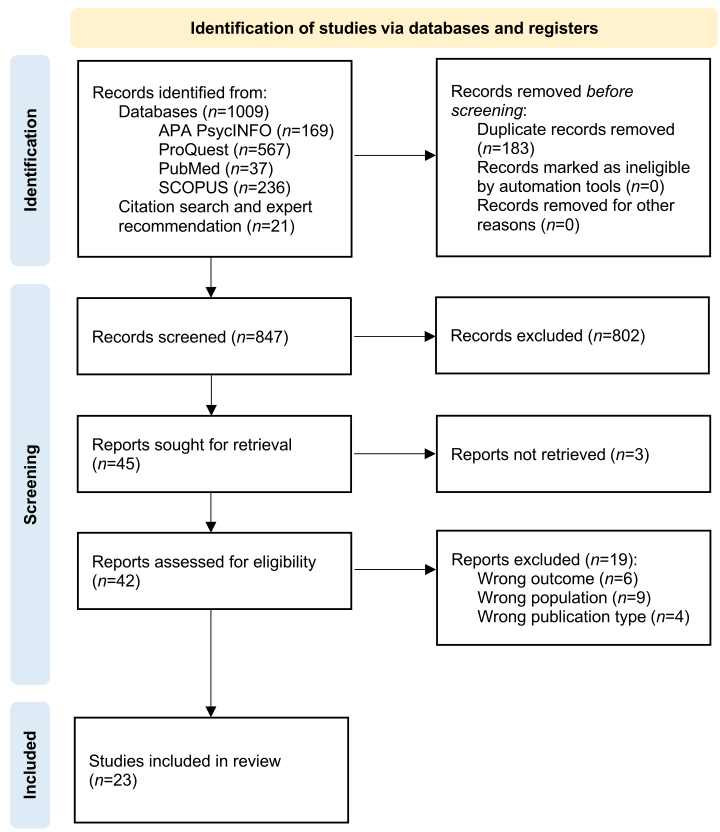
Figure 1
PRISMA flowchart

PRISMA flowchart

Note. Source: Page MJ, et al. BMJ 2021;372:n71. doi: 10.1136/bmj.n71. This work is licensed under CC BY 4.0. To view a copy of this license, visit https://creativecommons.org/licenses/by/4.0/

Results

Study Selection

A total of 847 records were screened at the title and abstract stage after excluding the duplicates. We found 45 studies eligible for full-text screening; however, it was not possible to retrieve a full text for 3 of these. Of the 42 that were screened at the full-text stage, 23 met the inclusion criteria and 19 records were excluded. The primary reasons for exclusion: the variables assessed were not ACEs or proxies, they did not report empirical data (e.g., commentaries, editorials), or populations did not meet the inclusion criteria (e.g., perception of ACE-VE relationships among counter VE practitioners). Rates of attrition are noted in Figure 1. See Appendices C and D for the full list of references for included and excluded records, alongside reasoning for exclusion.

Study Characteristics

We included 23 studies analyzing ACEs and VE, with a total sample of 4,946 individuals; see Table 1 for an overview of the study characteristics. Most included studies employed a quantitative approach (n = 13), followed by mixed methods (n = 8), and then qualitative (n = 2). Among these, most used a retrospective study design (n = 15), followed by cross-sectional (n = 7), with one study utilizing a prospective design (n = 1). Most studies (n = 19) were conducted in high-income countries, with the United States being the most frequently represented. Four studies were carried out in low- middle-income countries, three of them exclusively in Iraq. Participants ranged from adolescents to older adults and included former or current members of far-left or far-right extremist groups, former white supremacists, Islamist extremists (ISIS, Salafi-Jihadist groups), and individuals convicted of terrorism. ACEs were measured using a wide range of methods, with semi-structured interviews and case files utilized as the most common method of data collection. The types and categories of ACEs studied varied. VE populations were identified through different pathways including self-identification with an extremist group or ideology, conviction of terrorism or extremism-related offences, or referral to countering VE services. Therefore, studies were also characterized according to how VE was conceptualized: ideological (e.g., self-identified extremist affiliation), behavioral (but unsure if individual entered the criminal justice system), criminal justice system identified extremist, or prevention/intervention-referred individual (see Table 1). However, throughout the review, VE populations are referred to retaining the terminology used in the primary sources to maintain the context in which the empirical research was conducted. In addition to ACEs and VE, studies assessed several other domains including socio-demographic information, truancy, psychopathology (e.g., PTSD, externalizing behavior disorders), and exposure to traumatic events in adulthood.

Table 1
Characteristics of included studies

Author, year

Analytic approach

Study design

How VE population was identified

Data source

Location

Sample description

Men (%)

Mean age (SD) [Range]

Sample size

MMAT rating [1 To 5]

Antonelli, 2025

Quantitative

Retrospective

Criminal justice system

Pre-sentencing reports (PSR), Behavioral Risk Factor Surveillance System (BRFSS)

US

US right wing domestic violent extremists and violent offenders without extremist affiliation

97

37.10 (8.89)

207

4

Becker et al., 2022

Mixed methods

Retrospective

Criminal justice system

PIRUS dataset, SSIs

US

Political extremists radicalized in the US and gang members

100

NR

83

3

Campelo et al., 2018

Mixed methods

Prospective

Prevention/intervention referred

SSIs and secondary data such as recruit’s interactions on social media, computers and phones

France

Radicalized young people followed by the CPDSI

33

19.82 (5.28) [13-40]

150

4

Carthy & Schuurman, 2024

Quantitative

Retrospective

Ideological, behavioral

SSIs, autobiographical materials, investigative files (NITV dataset)

Europe and North America (mostly US, Germany, NL, UK)

Individuals radicalized to either right-wing or jihadist extremism involved or non-involved in terrorist violence

90

1980 mean year of birth

206

3

Cleary et al., 2024

Quantitative

Cross-sectional

Criminal justice system

Semi-structured questionnaire

Iraq

Men convicted of terrorism in Iraq

100

34.10 (9.7)

160

3

Colvin & Campion, 2025

Mixed methods

Retrospective

Prevention/intervention referred

Case files

Australia

Young people previously or currently engaged in violent extremism

94

20 [13-27]

17

4

Dhumad et al., 2020

Quantitative

Cross-sectional

Criminal justice system

Semi-structured tool

Iraq

Men convicted of terrorism, men convicted of murder, members of the community with no offending history

100

34.06 (9.79)

313

3

Grimbergen & Fassaert, 2022

Quantitative

Cross-sectional

Prevention/intervention referred

Clinical SSIs

NL

Suspects of violent extremism

85

27.60 (5.50) [19-39]

34

3

Jensen & LaFree, 2016

Mixed methods

Cross-sectional

Criminal justice system

PIRUS dataset

US

Domestic extremist individuals across a range of ideologies who engaged in ideologically motivated criminal activity or had affiliations with extremist organizations

90

34.18 (13.22)

1473

4

Lankford & Silva, 2025

Quantitative

Retrospective

Criminal justice system

The Violence Project’s database: official reports, court documents, news reports + added information from PIRUS, GTD, ECDB

US

Public mass shooters (1) with and (2) without extreme ideological interest

>97

(1) 30.70

(2) 34.90

193

3

Logan et al., 2022

Mixed methods

Retrospective

Ideological

SSIs

US

Self-identified former left- and right-wing extremist individuals

85

45 (11.20)

20

4

Moeller & Scheithauer, 2024

Mixed methods

Retrospective

Criminal justice system

Court files

Germany

Offenders convicted of a terrorism-related offense in Germany

91

24 (5) [15-38]

45

4

Mohammed & Neuner, 2022

Quantitative

Cross-sectional

Criminal justice system

Clinical interviews

Iraq

Adolescents & young adults incarcerated for terrorism

100

18 (2.29) [14-24]

59

3

Oppetit et al., 2019

Quantitative

Cross-sectional

Prevention/intervention referred

SSIs, group therapy with family, police investigations, computer visited websites

France

(1) Minors and (2) adults who aimed to join Islamic State, followed by CPDSI

(1) 19

(2) 45

(1) 15.82 (1.14) [13-17],

(2) 23.32 (4.99) [18-40]

150

3

Schuurman & Carthy, 2023a

Quantitative

Retrospective

Ideological, behavioral

SSIs, autobiographical materials, investigative files (NITV dataset) + biographical information from the Analysen

NITV: Europe and North America (mostly US, Germany, NL, UK)

Analysen: West Germany

NITV: Right-wing and Salafi-Jihadist extremists

Analysen: Left-wing and right-wing extremists convicted or suspected of terrorism-related offenses

NITV: 90; Analysen: NR

NITV: 1980 mean year of birth

Analysen: NR

456

2

Schuurman & Carthy, 2023b

Quantitative

Retrospective

Ideological, behavioral

SSIs, autobiographical materials, investigative files (NITV dataset)

Europe and North America (mostly US, Germany, NL, UK)

Individuals radicalized to either right-wing or jihadist extremism (1) involved and (2) non-involved in terrorist violence

90

Mean age at radicalization onset

(1) 21.60 (6.50)

(2) 18.60 (5.40)

206

4

Schuurman & Carthy, 2025

Quantitative

Retrospective

Ideological, behavioral

SSIs, autobiographical materials, investigative files (NITV dataset)

Europe and North America (mostly US, Germany, NL, UK)

(1) Terrorists (involved in violent attacks) and

(2) Extremists (supported terrorism but not involved in attacks)

(1) 96

(2) 84

1980 median year of birth

206

2

Simi et al., 2016

Qualitative

Retrospective

Ideological

Life histories

US

Former members of violent White supremacist groups

86

[19-61]

44

5

Speckhard & Ellenberg, 2020

Qualitative

Retrospective

Ideological, behavioral, criminal justice system

SSIs

Across countries, including Syria, Iraq as well as European countries and US

ISIS members

83

Men: 29.95 (9.06) [14-58]

Women: 27.33 (7.56) [14-49]

220

4

Stemmler et al., 2021

Mixed methods

Retrospective

Criminal justice system

Structured interviews

Germany

(1) Salafi/Jihadi Muslim prisoners and

(2) Muslim prisoners without radicalization histories

100

(1) 30.54 (9.81) (2) 25.33 (4.35)

26

3

Varaine, 2023

Quantitative

Retrospective

Criminal justice system

PIRUS dataset

US

(1) Suicide and

(2) non-suicide US-radicalized domestic terrorists

(1) 95

(2) 93

(1) 30 (12)

(2) 33 (13)

1234

2

Weenink, 2019

Quantitative

Cross-sectional

Criminal justice system

Police files

NL

Jihadi travelers

69

Men: 24.10

Women: 23.60

319

4

Windisch et al., 2022

Mixed methods

Retrospective

Ideological, behavioral

Life histories + SSIs

US

Former members of US-based white supremacist organizations

77

41.50 (8.60) [19-61]

91

2

Note.  Where not mentioned, data pertaining to age (mean, standard deviation and range) are not reported; percentages have been rounded to the nearest whole number. MMAT: Mixed Methods Appraisal Tool, NA: Not Applicable, NITV dataset: (Non-)Involvement in Terrorist Violence dataset, PIRUS dataset: Profiles of Individual Radicalization in the United States dataset, GTD: Global Terrorism Database, ECDB: Extremist Crime Database, CPDSI: Centre de Prévention contre les Dérives Sectaires liées à l’Islam, NL: the Netherlands, UK: United Kingdom, US: United States, NR: Not reported, SD: Standard deviation, SSI: Semi-structured interview.

Quality of Included Studies

The MMAT was used to assess the methodological quality of the studies. The tool enables reviewers to appraise empirical studies in a single framework with design-specific criteria evaluating key aspects of methodological rigor including suitability of approach, data collection methods, sampling strategy, risk of bias, appropriateness of statistical analysis, interpretation of results, coherence, and convergence of qualitative and quantitative components for mixed method approaches. The score can range from 0.0 to 5.0, a 5.0 indicating that all criteria have been met (Hong et al., 2018). The overall average MMAT score across all included studies was 3.30. Out of 13 studies which employed purely quantitative methods, 3 studies were rated a 4.0 (Antonelli, 2025; Schuurman & Carthy, 2023b; Weenink, 2019), 7 studies were rated a 3.0 (Carthy & Schuurman, 2024; Cleary et al., 2024; Dhumad et al., 2020; Grimbergen & Fassaert, 2022; Lankford & Silva, 2025; Mohammed & Neuner, 2022; Oppetit et al., 2019), and 3 studies were rated a 2.0 (Schuurman & Carthy, 2023a; Schuurman & Carthy, 2025; Varaine, 2023). There were 8 mixed method studies, out of which 5 were rated a 4.0 (Campelo et al., 2018; Colvin & Campion, 2026; Jensen et al., 2016; Logan et al., 2022; Moeller & Scheithauer, 2024), 2 were rated a 3.0 (Becker et al., 2022; Stemmler et al., 2021), and 1 was rated a 2.0 (Windisch et al., 2022). A purely qualitative approach was used the least with just 2 studies, one rated a 5.0 (Simi et al., 2016) and one appraised with a score of 4.0 (Speckhard & Ellenberg, 2020). Hence, qualitative studies received the highest MMAT mean scores (4.5), with mixed method papers scoring on average the second highest (3.5), and quantitative studies scoring the lowest (3.0). It is worth noting that the qualitative components of the mixed method papers all scored a 4.0 or 5.0. The criteria for quantitative papers place a stronger emphasis on methodological rigor and assess the study on the sample being representative of the target population, completeness of outcome data, controlling for confounding variables, and low risk of nonresponse bias. Even if these factors are discussed as limitations by the authors, the study is still assessed against these criteria; many studies failed to meet the criteria for low non-response bias and/or basing their study on a sample representative of the target population. An overview of the ratings is reported in Table 1, while the complete table with all criteria can be found in Supplementary Materials, Appendix E.

Aces Characteristics in Left-wing Extremists, Right-wing Extremists, and White Supremacists

The most prevalent ACEs among US right-wing extremists were caregiver loss (70%), caregiver substance abuse (70%), witnessing domestic violence (60%), emotional neglect (50%), emotional abuse (50%), and physical abuse (50%); 70% reported four or more ACEs (Logan et al., 2022). A sample of US right-wing violent extremists reported similarly with divorce (73%), household substance abuse (58%), household member struggling with mental illness (51%), physical abuse (49%), and incarcerated family member (42%) as ACEs (Antonelli, 2025). Among a sample of right- and left-wing extremists, 33% reported having experienced severe familial conflict and 26% having experienced the loss of a caregiver (Schuurman & Carthy, 2023a).

In a sample of US left-wing extremists, caregiver loss (70%), emotional neglect (60%), caregiver substance abuse (50%), and witnessing domestic violence (40%) were among some of the ACEs reported; 50% reported four or more ACEs (Logan et al., 2022). Further, 25% of left-wing extremists reported growing up in a broken home (Schuurman & Carthy, 2023a).

Among former white supremacists, 63% experienced four or more ACEs with caregiver loss (68%) and caregiver substance abuse (66%) as the most commonly reported, followed by physical abuse (48%) (Windisch et al., 2022). In a separate study involving white supremacists, 51% reported three or more ACEs, and some of the most prevalent ACEs included living in households with family disruption (defined by the authors as “divorce, deceased parents, or parents who were never married”) (73%), witnessing of serious violence (64%), and household substance abuse (59%) (Simi et al., 2016). Overall, among left- and right-wing extremists, as well as white supremacists, the most reported ACEs related to household dysfunction, followed by experiences of maltreatment.

Aces Characteristics in Islamist Violent Extremists

Among current and former members of Islamist violent extremist groups, similar trends can be identified. From a sample of Jihadi travelers from the Netherlands, 49% were from single-parent families, which Weenink categorized as a childhood adversity (Weenink, 2019). Similarly, among individuals convicted of Islamic terrorism in Germany, 49% had experienced parental separation before adulthood (Moeller & Scheithauer, 2024). In addition, it was noted that during childhood, 11% of the sample experienced violent behavior from a primary caregiver, while 4% experienced a racially motivated assault, and 2% were a victim of sexual assault (Moeller & Scheithauer, 2024). High rates of physical or sexual abuse (30%), neglect or psychological abuse (87%), and abandonment (77%) were also found in a sample of adolescents aiming to join ISIS (Oppetit et al., 2019). Additionally, 31% had experienced parental drug abuse, and 41% had grown up with a depressed relative (Oppetit et al., 2019). In a sample of radicalized Muslim prisoners, 64% had experienced violent childrearing practices, such as excessive corporal punishment, while around half (55%) had lost their father due to death or separation (Stemmler et al., 2021). In a Jihadist sample, 61% grew up in a “familial environment characterized by fractured relationships, lack of emotional warmth, and/or frequent conflict”, and 7% of Jihadists lost parents before the age of 21 (Schuurman & Carthy, 2023a). In a sample of radicalized young people from France, neglect or psychological abuse (85%), abandonment (82%), and depression in a relative (41%) were reported as occurring before radicalization. It should be noted that although the age range of this sample characterized as “young people” was 13 to 40 years, the timeframe of these events was not specified beyond “history before radicalization” (Campelo et al., 2018). In a sample of adolescents and young adults who were incarcerated for terrorism, being hit (81.4%), witnessing family members being hit (50.8%), and being told they were a bad son (50.8%) were the most commonly reported events (Mohammed & Neuner, 2022). Along the same lines, among former and current ISIS members, family conflict, parental death, household substance abuse or mental disorders, and exposure to domestic violence were experienced in childhood (Speckhard & Ellenberg, 2020).

Ace Characteristics in Mixed Samples or Those with Unspecified Ideology

Consistent results are also observed in studies with mixed populations where results were not reported separately by group. In a sample of young people in Australia who previously or currently engaged in right-wing extremism or Salafi-jihadism, 70% experienced ACEs. Although statistics for all types of ACEs were not specified, witnessing or experiencing violence (41%), deprivation and poverty, imprisonment of a family member, sexual abuse, witnessing death, and witnessing the effects of war were reported (Colvin & Campion, 2026). Along those lines, among right-wing, left-wing, single issue and Islamist extremists, 35% had four or more ACEs, and the three most reported were emotional neglect (47%), household mental disorders (44%), and caregiver loss (38%) (Grimbergen & Fassaert, 2022). High rates of broken families (45%) were also noted among a sample of political extremists across the spectrum (Becker et al., 2022). In a sample of radicalized individuals across Europe and North America, 86% of those involved in terrorist violence, and 74% of those not involved in terrorist violence, reported an ACE (Schuurman & Carthy, 2025). Furthermore, in considering a group of mass shooters driven by extreme ideologies, 33% were found to have experienced some form of child trauma, including physical, sexual, emotional abuse, or parental suicide or death during childhood (Lankford & Silva, 2025). In a study exploring differences between non-suicide and suicide domestic terrorists in the US, prevalence of child abuse ranged from 4% in non-suicide terrorists to 20% in suicide terrorists (Varaine, 2023). Similarly, suicide terrorists presented higher prevalence of caregiver absence (67%) compared to non-suicide terrorists (33%) (Varaine, 2023).

Comparisons with Control Groups

While the rates of ACEs in these high-risk populations appear to be higher than the base rate in the general population, relatively few studies included control groups; where control groups were included, they ranged from high risk (e.g., other violent offenders) to low risk populations (e.g., community members) and results were mixed. Within a sample that included comparisons between right-wing domestic violent extremists (DVE), violent offenders (VO), and general population statistics, both the DVE (M = 3.24, SD = 1.76) and VO group (M = 2.74, SD = 1.63) had significantly higher mean ACE scores than the general population (M = 1.60), and DVEs had a higher mean ACE score than VOs (p<.05) (Antonelli, 2025). Similarly, both extremists (74%) and terrorists (86%) were reported to have experienced ACEs more commonly than the general population (38-39%) (Schuurman & Carthy, 2025). In contrast, several other studies showed the rate of ACEs was not significantly higher in the VE group than the non-VE group. Political extremists were no more likely to come from broken homes than a control group of gang members (Becker et al., 2022), and the number of ACEs experienced was not significantly different between individuals who radicalized and became involved in terrorist violence verses those who radicalized but did not become involved in terrorist violence (Carthy & Schuurman, 2024). In Iraq, there was no significant difference in the prevalence of childhood physical abuse or emotional neglect between incarcerated offenders convicted of terrorism, incarcerated offenders convicted of murder, and community members without criminal history (Dhumad et al., 2020). Similarly, the difference in childhood trauma rates reported between extremist mass shooters (33%) and non-extremist mass shooters (20%) was not statistically significant (Lankford & Silva, 2025). Further, non-radicalized Muslim inmates actually showed higher rates of violent punishment in childhood (77%) than radicalized Muslim inmates (64%) (Stemmler et al., 2021). In the PIRUS database (Profiles of Individual Radicalization in the United States), 2-4% of profiles across right-wing, left-wing, single issue, and Islamic extremism demonstrated evidence of history of abuse as a minor (Jensen et al., 2016), a rate much lower than the US national prevalence for physical abuse of 23% (Swedo et al., 2023). This discrepancy in findings may reflect the coding methodology employed for the PIRUS database where cases with missing information were coded as “no evidence of abuse as a minor” (Jensen et al., 2016). Overall, the evidence suggests that the link between ACEs and violence may be population specific, though methodological differences between studies make it hard to draw firm conclusions.

Association Between Aces and Ve

Four studies reported on the relationship between ACEs and VE. Adverse childhood experiences and involvement in terrorist violence were significantly associated (as reported by the authors: x2 = 4.07; OR = 2.08; p ≤ 0.05) in populations of radicalized individuals across North America and Europe (Carthy & Schuurman, 2024; Schuurman & Carthy, 2023b). Along these lines, among residents of a juvenile prison in Iraq, a significant association between violence perpetration committed during their time in ISIS and childhood and adolescent exposure to war events (r = 0.446, p < 0.01), general traumatic events (r = 0.601, p < 0.01), and ISIS-related traumatic events (r = 0.771, p < 0.01) was found, all statistics as reported by the authors (Mohammed & Neuner, 2022). However, this should be interpreted cautiously – the ages of the participants ranged from 14-24, and there is uncertainty whether these events occurred concurrently. In contrast, childhood abuse was not statistically significantly associated with participation in violence in a sample of extremist individuals from the US (Jensen et al., 2016), nor was there a statistically significant association between childhood abuse and terrorism in a sample of Iraqi prisoners and community controls (Dhumad et al., 2020).

Pathways and Mechanisms of Action

Few studies discussed frameworks that could explain how adversity in childhood is associated with extremism on a hypothetical level and only two studies formally tested possible mechanisms. The most reported hypothesis is one presented by Simi and colleagues, then adopted in two other studies (Logan et al., 2022; Simi et al., 2016; Windisch et al., 2022). In this framework, ACEs are thought to contribute to the parallel rise of (a) negative emotionality (e.g., anger, depression) and (b) adolescent conduct problems (e.g., aggressive behaviors, truancy), which in turn contribute to participation in extremist groups as a coping mechanism in the attempt to seek social support (Logan et al., 2022; Simi et al., 2016; Windisch et al., 2022). Becker and colleagues discuss theories based on the idea that social factors play a central role in linking ACEs to VE (Becker et al., 2022). Through analysis of life stories and semi-structured interviews (Becker et al., 2022), they highlight how physical abuse, parental divorce, and emotional abuse can act as barriers to the formation of prosocial bonds during the first decades of life. Entry into VE groups can therefore act as a coping mechanism to access a social environment in the absence of family or community ties (Becker et al., 2022). Another view is presented by Mohammed and Neuner, who highlight how exposure to adversity from a young age can lead to an overall habituation to violence, which can then predispose individuals to higher perpetration of violence (Mohammed & Neuner, 2022).

Perhaps related to social exclusion, Carthy and Schuurman test the theory and find that, among radicalized individuals in Europe and North America, abandonment of education was a moderating factor increasing the likelihood of ACEs culminating in involvement in terrorist violence (p < 0.05) (Carthy & Schuurman, 2024). Enrollment in education is therefore suggested as a potential protective pathway to mitigate the impact of ACEs on violent extremist behavior.

Cleary and colleagues explored potential developmental pathways toward VE using quantitative modeling. They employed a path analysis to examine the hypothesized relationship between childhood exposures and the severity of terrorism behavior among those convicted of terrorism in Iraq, showing potential indirect pathways between ACEs and the severity of VE behavior. It should be noted that this study was based on cross-sectional data and causal and directional conclusions cannot be drawn from a mediation analysis. The authors reported the following findings (all reported values were statistically significant and are noted here in the same language as they were by the authors): adverse childhood experiences had a significant positive effect on childhood conduct disorder (𝛽 = 0.45, p < 0.0001), which in turn had a significant positive effect on anti-social personality disorder (𝛽 = 0.62, p < 0.0001), which then had a significant positive effect on attitudes towards terrorism (𝛽 = 0.37, p < 0.0001). Attitudes towards terrorism were found to have a significant direct effect on the severity of terrorist behavior (𝛽 = 0.19, p < 0.05); however, the authors report the direct path between ACEs and severity of terrorism behavior was not statistically significant. ACEs also had a significant positive effect on religion as a guiding principle (𝛽 = 0.18, p < 0.01), which in turn had a direct effect on severity of terrorism behavior (𝛽 = 0.24, p < 0.01), offering another potential pathway between ACEs and VE (Cleary et al., 2024). Additionally, the authors noted that due to the sample consisting only of those who had engaged in acts of terrorism, this cannot tell us about the likelihood of these factors not leading to VE behavior.

Table 2
Overview of variables and results from all studies

Study

Sample

ACE measure

ACE prevalence in VE groups

ACE prevalence in control groups (if relevant)

Did ACE prevalence differ between groups?

Association between ACEs and measure of VE

Mechanisms of action

Studies with control or comparison groups

Antonelli, 2025

(1) Right-wing domestic violent extremists

(2) violent offenders

(3) comparison to national statistics

Physical/verbal/sexual abuse, domestic violence, parental divorce/incarceration/substance abuse/mental illness

(1) 51% mentally ill household member,

58% household substance use,

42% incarcerated family member,

73% divorce,

49% physical abuse

(2) 45% mentally ill household member,

39% household substance use,

20% incarcerated family member,

62% divorced parents,

37% physical abuse

(3) 17% mentally ill household member,

27% household substance abuse,

9% incarcerated family member,

28% divorced parents,

23% physical abuse

Statistically significant differences (p < 0.05) between:

(1) and (2) in

total ACE score, basic needs met, drugs in the home, domestic violence, household incarceration, and divorce

(1) and (3) in

total ACE score, household mental illness, household substance abuse, household incarceration, divorce, domestic violence, basic needs met, sexual and physical abuse

NA

NR

Becker et al., 2022

(1) Political extremists

(2) gang members

Broken family, poor family connections

(1) 45% broken families,

26% poor family connections

(2) 44% broken families,

44% poor family connections

No statistical difference

NA

Hypothesis (not tested): ACES may affect formation of pro-social bonds during childhood.

VE groups could be a coping mechanism to access a social environment in the context of poor social bonds

Carthy & Schuurman, 2024

Right-wing or Jihadist radicalized individuals

(1) involved or

(2) non-involved in terrorist violence

Physical abuse, neglect, household mental illness, divorce, or parental separation

86% were coded as “present” for ACEs

74% were coded as “present” for ACEs

The overall presence of ACEs in radicalized individuals involved in terrorist violence vs those not involved in violence (OR = 2.08 p < .05)

Continuation of education moderated risk posed by ACEs

Dhumad et al., 2020

(1) Incarcerated terrorist offenders

(2) offenders convicted of murder

(3) community members with no offending history

Physical abuse, emotional neglect, harsh

treatment by parents or others, authoritarian father

(1) 18% physical abuse,

16% emotional neglect,

10% harsh parental treatment

(2) 16% physical abuse,

17% emotional neglect,

6% harsh parental treatment

(3) 17% physical abuse,

14% emotional neglect,

26% harsh parental treatment

No statistical difference between groups for childhood abuse or emotional neglect

(3) more likely than (1) and (2) to experience harsh treatment by parents (X2=18.9, df = 2, p < 0.0001)

No association observed

NR

Lankford & Silva, 2025

US public mass shooters

(1) with extreme ideological interest

(2) without extreme ideological interest

“Childhood trauma” measure: physical/ emotional/sexual abuse, parental suicide or parental death

(1) 33% childhood trauma

(2) 20% childhood trauma

No statistically significant difference between groups in childhood trauma frequency

NR

NR

Stemmler et al., 2021

(1) Muslim extremist prisoners

(2) Muslim non-extremist prisoners

Violent child rearing practices, death of a father, or separation of parents

(1) 64% violent childrearing practices,

55% lost their father

(2) 77% violent childrearing practices,

39% lost their fathers

Differences not tested statistically / NR

NR

NR

Studies without control groups

Campelo et al., 2018

Radicalized young people

Physical or sexual abuse, death of a relative, physical or mental health issue in relative

85% neglect or psychological abuse,

82% abandonment,

41% depression in a relative *

NA

NA

NR

NR

Cleary et al., 2024

Men convicted of terrorism in Iraq

Neglect, physical, sexual, emotional abuse, authoritarian father

NR

NA

NA

ACEs → attitudes to terrorism (β = 0.19,

p < 0.01)

ACEs → conduct disorder (β=0.45, p < 0.0001) → anti-social personality disorder

(β = 0.62, p < 0.0001) → attitudes towards terrorism (β = 0.37, p < 0.0001).

ACEs → religion acting as a guiding principle (β = 0.18, p < 0.01),

ACEs → attitudes towards terrorism (β = 0.19,

p < 0.01)

Attitudes towards terrorism → severity of terrorism behavior (β = 0.19,

p < 0.05)

Colvin & Campion, 2025

Young people previously or currently engaged in violent extremism

War exposure, deprivation, domestic violence, violent/chaotic childhoods, witnessed death/dead bodies, family death or imprisonment

70% of case files (12 of 17) contained evidence of ACEs

NA

NA

NA

NR

Grimbergen & Fassaert, 2022

Suspects of violent extremism

Physical abuse, sexual abuse physical/emotional neglect, household incarceration/ substance abuse/mental health problems/ domestic violence and loss of a parent

35% exposed to 4+ ACES, 47% emotional neglect, 44% household mental illness,

38% loss of parent

NA

NA

NA

NR

Jensen & LaFree, 2016

US extremist individuals from a range of ideologies

Verbal, physical, or sexual abuse by a family or non-family member

3% abuse (average across ideologies)

NA

NA

Childhood abuse not significantly associated with ideological category Χ2 = 1.37, p = .771

NR

Logan et al., 2022

Self-identified former (1) left-wing and

(2) right-wing extremists

Abuse, neglect, parental separation/divorce, household physical violence/substance abuse/mental illness or suicide attempt, incarcerated household member

(1) 50% experienced four or more,

70% caregiver loss,

50% caregiver substance abuse,

40% witnessed domestic violence,

60% emotional neglect

(2) 70% experienced four or more,

70% caregiver loss,

70% caregiver substance abuse,

60% witnessed domestic violence,

50% emotional neglect, 50% physical abuse,

50% emotional abuse

NA

NA

NA

NR

Moeller & Scheithauer, 2024

German individuals convicted of terrorism-related offense

Parental separation,

caregiver violence,

racially motivated assault,

drug abuse

49% parental separation,

11% violent behavior from a caregiver,

4% racially motivated assault,

2% victim of sexual assault

NA

NA

NA

NR

Mohammed & Neuner, 2022

Adolescents & young adults incarcerated for terrorism

Childhood Family Violence Scale: physical/verbal/sexual violence, neglect

War and Adversity Exposure Checklist: food and water deprivation, loss of loved ones

‘Trauma exposure’ composite consisting of family violence, war events, ISIS-related events

81% physical abuse,

51% witnessed family members hit,

51% told they were a bad son

NA

NA

Childhood/adolescence exposure to war and violence perpetration

(r = .446, p < 0.01)

Trauma exposure and violence perpetration

(r = .601, p < 0.01)

Hypothesis (not tested): ACEs = habituation to violence, predisposing individuals to a higher perpetration of violence

Oppetit et al., 2019

French

(1) minors and

(2) adults who aimed to join Islamic State

Physical/sexual abuse, neglect or psychological abuse, abandonment, substance abuse or relative, depression of a relative, health issue of relative

(1) 30% physical or sexual abuse,

87% neglect or psychological abuse,

77% abandonment,

31% parental drug abuse,

41% depressed relative,

29% health issue of relative *

NA

NA

NA

NR

Schuurman & Carthy, 2023a

Left-, right-, and jihadist extremists and terrorists

Divorce/separation of parents, conflicts with parents, broken home before age 14, poor family cohesion, criminal antecedents, parental death

Analysen:

33% familial conflict (left/right-wing),

26% loss of a caregiver &

25% broken home (left-wing)

NITV:

52% right wing extremist & 48% of jihadists separated/divorced parents,

58% right wing extremist & 61% jihadists fractured/conflict filled/cold family,

12% right-wing extremists & 7% jihadists lost parents before age 21

NA

NA

NA

NR

Schuurman & Carthy, 2023b

Right-wing or Jihadist radicalized individuals

(1) involved or

(2) non-involved in terrorist violence

Victimization, serious illness, stability of household relationships, safe/nurturing home environment

ACEs among those involved in terrorist violence: 86%

ACEs among those not involved in terrorist violence: 74%

NA

NA

ACEs → involvement in terrorist violence

(χ²: 4.07; OR: 2.08; p ≤ 0.05; OR: –0.06, p > .05 when controlling for covariates)

NR

Schuurman & Carthy, 2025

(1) Terrorists (involved in violent attacks) and

(2) Extremists (supported terrorism but not involved in attacks)

NR

ACE exposure:

(1) 86 %

(2) 74%

NA

NA

NA

NR

Simi et al., 2016

Former members of violent US White supremacist groups

Physical/sexual abuse, emotional/physical neglect, abandonment, parental incarceration, witnessed serious violence, household substance abuse, family disruption, family mental health problems, abandonment

84% reported one or more and 51% reported three or more ACEs:

43% physical abuse,

23% sexual abuse,

41% neglect,

27% parental incarceration,

73% family disruption,

64% witnessed serious violence,

59% household substance abuse

NA

NA

NA

Hypothesis (not tested): ACEs contribute to (a) increased negative emotionality and (b) adolescent conduct problems, increasing participation in extremist groups for social support

Speckhard & Ellenberg, 2020

ISIS members

Abuse, neglect, domestic violence, household substance abuse/mental illness/incarceration, parental separation/divorce, death of a parent, family conflict

Men:

9% parental separation,

9% family conflict,

12% deceased parent

Women:

8% emotional abuse,

8% physical abuse,

3% sexual abuse,

21% parental separation,

8% household substance abuse,

24% family conflict,

5% domestic violence exposure

NA

NA

NA

NR

Varaine, 2023

Suicide and non-suicide domestic terrorists radicalized in US

Verbal or physical abuse, parental absence (separation, divorce, death)

Child abuse:

20% (suicide terrorists),

4% (non-suicide terrorists)

Caregiver absence:

67% (suicide terrorists), 33% (non-suicide terrorists)

NA

NA

NA

NR

Weenink, 2019

Jihadi travelers from the Netherlands

Single-parent families (divorce, death of parent)

49% part of single-parent household

NA

NA

NA

NR

Windisch et al., 2022

Former members of US-based white supremacist organizations

Abuse, neglect, witnessed domestic violence, caregiver substance abuse/loss/mental illness/incarceration

68% caregiver loss,

66% caregiver substance abuse,

48% physical abuse,

47% witnessed domestic abuse,

47% caregiver mental illness,

46% emotional neglect,

46% emotional abuse

NA

NA

NA

NR

Note. * These two studies include the same sample of young people followed by the CPDSI (see Table 1), framed according to the study objective. For the study by Oppetit et al., only data from the minors is presented; adult reports of adverse experiences were not necessarily restricted to childhood. For the study by Campelo et al., these adverse experiences of young people are reported to have occurred before radicalization, although the time frame is not specified.  Statistics were taken directly from the literature and are presented here using the same notation and format employed by the original authors; percentages have been rounded to the nearest whole number. NA: Not applicable, NR: Not reported. 

Discussion

This scoping review aimed to provide an overview of the literature on adversity during childhood and its relation to VE, critically evaluating its quality. We included 23 studies on individuals supporting a range of right and left wing, Islamist, and other extremist groups and ideologies. Most studies employed quantitative (descriptive) methods, followed by mixed methods and qualitative. Quality ratings were variable, with an average score of 3.3 out of 5.0 across all studies. Overall, the most common ACEs were related to household dysfunction (such as caregiver loss or imprisonment, caregiver mental or substance disorders, and witnessing violence) followed by experiences relating to maltreatment (such as emotional neglect, and physical and sexual abuse). ACEs were mostly reported at much higher prevalence than seen in general population samples (Antonelli, 2025; Schuurman & Carthy, 2025) but were not necessarily higher than rates seen in control samples that included prisoners, gang members, and community controls (Becker et al., 2022; Carthy & Schuurman, 2024; Dhumad et al., 2020). This suggests evidence of multifinality: ACEs may be associated with VE in some people but can also lead to a range of other adverse outcomes (e.g., criminality). For this reason, as well as the lack of causal data, ACE scores alone cannot identify which individuals will participate in violence and cannot be reliably used as a screening tool that will predict VE behavior. Research is needed to understand the conditions under which ACE increases the risk of VE.

Four studies found positive and significant correlations between ACEs and VE (Carthy & Schuurman, 2024; Cleary et al., 2024; Mohammed & Neuner, 2022; Schuurman & Carthy, 2023b). One study did not observe ACEs to be linked to participation in violence among an extremist sample (Jensen et al., 2016), and one study reported no association between ACEs and VE attitudes (Dhumad et al., 2020). These differences in findings could be explained by the various methodological approaches of these studies, i.e., retrospective versus cross-sectional. Relying on retrospective self-reports may have biased the reporting of ACEs, possibly overestimating their association (Baldwin et al., 2019; Danese, 2020). The discrepancies may also relate to the types of ACEs studied: Dhumad and Jensen focused primarily on ACEs that can be categorized as childhood abuse rather than family dysfunction, suggesting that adverse experiences related to the household may carry higher risk.

Regarding the possible developmental processes relating ACEs to VE, only two studies formally assessed data to identify the strength of associations between risk factors and outcomes through path analysis, both basing the analysis on quantitative data (Carthy & Schuurman, 2024; Cleary et al., 2024). Cleary et al. (2024) sampled men who had already been convicted of terrorism offences and were held in an Iraqi prison. They used path analysis to explore pathways to terrorist behaviors, finding evidence for several potential mediating pathways between ACEs and severity of terrorist acts committed. One path involved ACEs to childhood conduct disorder to antisocial personality disorder in adulthood to terrorism attitudes, and finally to severity of terrorism. There was also a direct path from ACEs to terrorism attitudes. There was also a path with significance from ACEs to the extent to which religion was a guiding principle to severity of terrorism (Cleary et al., 2024). It is important to highlight here that this analysis was conducted on cross-sectional data and causality and direction cannot be proven. In the other study, Carthy and Schuurman (2024) found that continuation in education moderated the association between ACEs and involvement in terrorist violence in radicalized individuals (Carthy & Schuurman, 2024). This highlights the role of protective factors having the potential to buffer the impact of ACEs on subsequent development. Psychopathology and social level factors may be central in the pathways linking ACEs to VE.

Although untested, three studies proposed potential mechanisms, most highlighting how ACEs might increase vulnerability to mental disorders and impair social level outcomes, thereby making individuals with ACEs more vulnerable to supporting VE groups and activities (Becker et al., 2022; Mohammed & Neuner, 2022; Simi et al., 2016). These different frameworks hypothesize distinct mechanisms of actions and recognize that mental health symptoms may play a role in making some individuals more vulnerable to participation in VE groups and activities. Similarly, social exclusion and impaired social bonds are commonly presented as potentially important vulnerabilities. More specifically, involvement in VE groups could act as a coping mechanism to overcome the social exclusion experienced by adults who have had ACEs, and this could occur first through association with more general criminal groups, which could in turn lead to these VE environments. It should be acknowledged that ACEs alone do not determine which individuals will participate in violence, but more so ACEs may be a contributing factor in the pathway to radicalization and subsequent involvement in VE activities.

Despite the growing body of evidence on ACEs and VE, we note significant heterogeneity and gaps in the literature. The definitions used for ACEs and VE varied greatly across studies. A wide range of ACEs were assessed, ranging from household dysfunction and child maltreatment to being a victim of crime and exposure to war. One study also included parents who never married as an indicator of family disruption. However, this may not necessarily be considered or perceived as an adversity in every culture, limiting comparability of findings across different populations. Furthermore, ACEs are often measured as the presence or absence of each type of ACE, but this likely loses important information about the severity, chronicity, and impact of adversity. Dimensional measures that capture variance in these experiences would allow a more nuanced exploration of the role of ACEs in developmental pathways towards VE. VE was also conceptualized in various ways, ranging from conviction for terrorism offences, to those intending to join an extremist group, to self-reporting as an extremist, depending on the type of sample used. Additionally, different investigations employed diverse approaches (e.g., qualitative, quantitative, mixed) and methods (e.g., semi-structured interviews, life-history interviews, surveys) to measure these two dimensions. Most studies did not include control groups, and where control groups were used, they consisted of varying populations with mixed results. Hence, it is not clear the extent to which ACEs were more common than would be expected by chance. Control groups drawn from similar neighborhoods, controlling for factors such as socioeconomic status, will be necessary to establish how consistently certain types of ACEs precede VE. These methodological variations pose challenges in comparing and synthesizing the results across studies, especially when statistical analyses and datasets were not made publicly available by all authors. We would therefore urge researchers to make materials open access to support reproducibility and help improve methodology across the field. Further gaps pertain to study design and study quality. Most investigations analyzed data based on retrospective recall, which relies on cross-sectional correlational data and can be prone to recall bias. This also limits the ability to draw causal conclusions, which would require well-designed longitudinal studies. Overall, many papers fail to evaluate potentially mediating and moderating factors in the relationship between ACEs and VE. ACEs may also co-occur with other risk factors for VE and so studies that control for confounding factors, and model the interplay between factors over time, will be necessary to understand potential causal pathways. Another gap relates to the geographical scope of included studies. Most investigations were conducted in a handful of high-income countries, limiting the generalizability of findings to LMICs, and further, to fragile and conflict-affected areas where children are likely to experience a wide range of adversities.

In addition to shortcomings at the level of the studies included, the findings of this review should be interpreted considering some limitations as well. Given the scoping nature of this review, the search was limited to the four databases that were most relevant and available through the academic institution. As such, it is possible that some literature on the topic, including grey literature, was missed due to selection bias and publication bias. We attempted to mitigate this by including studies in the screening process which were recommended by experts in the field. In addition, although a second reviewer checked all extracted data to minimize the likelihood of errors, formal inter-rater reliability statistics were not calculated, limiting the ability to quantify accuracy.

Several recommendations for future research flow from these findings. To enhance the comparability of findings across studies, consistent definitions and standardized and validated assessment tools should be employed for the assessment of both ACEs and VE-related outcomes. When measuring ACEs, items representing both the maltreatment and household dysfunction categories should be assessed. Further, ACE measures designed for Western, high-income contexts may not accurately capture adversities experienced in non-Western settings, such as specific forms of chronic and collective adversities occurring in conflict-affected contexts; validated and context-specific measures of ACEs are required. Expanding the geographical scope of investigations is also a crucial step to enhance the overall quality of evidence in the field. Conducting further research in LMICs, and conflict-affected areas, would provide a more comprehensive understanding of the ACEs-VE relationship across contexts, ensuring that the development of future intervention efforts is based on a less biased body of knowledge. Lastly, the adoption of prospective longitudinal designs would allow researchers to explore causality and shed light on the nature of the ACE-VE relationship, with the potential to investigate mediators and moderators of their relationship. This would allow for the developmental pathways linking ACEs to VE, that to date have been mostly hypothesized on a theoretical level, to be tested. However, this may be difficult to implement in practice as participant retention, low rates of VE in general populations, and ethical concerns around selecting populations for such studies would pose challenges.

Conclusion

This scoping review reports on the literature exploring the links between ACEs and VE. The findings indicate a growing body of evidence on if and how adversity in childhood might be related to VE later in life, assessed using a variety of measures and approaches. There were a few findings that supported the link between ACEs and VE: 1) when it comes to types of ACEs, the ones that fall under household dysfunction seem to be more prevalent across different extremist groups than those that fall under the category of maltreatment; 2) the prevalence of ACEs in extremist groups seems to be on average higher than in the general population; 3) some studies found a positive and significant association between ACEs and VE. However, the evidence linking ACEs and VE is inconsistent, with other studies showing the rates of ACEs are no higher in VE groups than in violent non-extremist or community control samples, and further, some studies showing no significant association between ACEs and VE at all. It is not clear based on existing evidence if these discrepancies reflect differences between populations or different methodologies used in different studies. Regardless of these uncertainties, it is worth noting that the majority of those affected by childhood adversity do not become involved in VE. It will be necessary to conduct research in representative population samples to fully understand why a minority of those with ACEs become involved in VE. In addition, the current evidence is highly heterogeneous, and some are of limited quality. Our review underscores the need for standardized definitions and assessment methods, with more rigorous research aimed at exploring the potential causality and developmental pathways in the ACE-VE relationship, as well as research beyond HICs. Improving the quality and scope of the research is essential to provide data that can be used to guide the development of targeted interventions that can support young people most at risk of becoming involved in VE.

Declarations of Interest

The authors declare no competing interests.  

Author Contributions

CC, FM, NH designed the review approach. CC and TP conducted literature search. CC, TP, SH, and JC conducted the screening, extraction, quality appraisal processes and data analysis. FM and NH provided oversight and resolved conflicts in these processes. CC and TP drafted the manuscript. All authors contributed to critical revision of and approved the final manuscript. 

Funding

This publication was produced as part of the Cross-Border Conflict Evidence, Policy and Trends (XCEPT) research programme, funded by UK International Development from the UK government. The views expressed do not necessarily reflect the UK government’s official policies. 

Acknowledgments

The authors would like to thank the International Centre for the Study of Radicalization and the Centre for Statecraft and National Security within the War Studies department at King’s College London for hosting their work.  

Data Availability Statement

Supplementary online materials are available at: https://osf.io/ekdqh/

Conflicts of Interest

The authors declare no competing interests.

Supplementary Materials

The supplementary materials can be found here.

Readers of this article also read
Commentary

The erosion of conceptual clarity in the study of political violence

by Arie Perliger Cited by 3
Research Article

Deadly persuasion: A multilevel analysis of leader influence tactics and lethality in violent extremist organizations

by Mackenzie Harms, Alex Bruens, Justin Jones, & Gina Ligon
Commentary

Shifts and continuity in contemporary violent extremism: Moving toward a dynamic and developmental understanding?

by Cécile Rousseau & Samuel Veissière
Commentary

The end of ideological violence

by Clark McCauley
Research Article

System-disillusioned youth radicalize: The role of political alienation in the formation of political radicalism

by Marta Miklikowska & Tomasz Besta
Perspective

Why the ‘salad bar of ideologies’ does not help us understand contemporary violent extremism

by John Horgan & Morgan Shayler Cited by 5
Commentary

Extremism without ideology

by Quassim Cassam Cited by 2
Commentary

Why the ‘salad bar’ might actually help extremism research – A reply to Horgan and Shayler

by Stephane Baele Cited by 2
Editor Curated

Frequently Asked Questions

  • What are Adverse Childhood Experiences (ACEs) and why do they matter for extremism?

    ACEs are stressful or potentially traumatic events occurring before age eighteen, including physical, sexual, or emotional abuse, neglect, and household dysfunction such as living with a parent who struggles with addiction or imprisonment. The review by Pammi et al. (2026) explains that these experiences can have lasting impacts on emotional regulation, stress-response, and cognitive development. Because roughly 39% of people globally report at least one ACE, understanding their downstream effects is a public health priority. The authors specifically explore whether such early adversity may make individuals more vulnerable to joining or supporting violent extremist groups, an area that remains in the early stages of scientific exploration.

  • Do people involved in violent extremism have higher rates of childhood adversity?

    According to Pammi et al. (2026), extremist populations often report ACEs at much higher rates than the general population. For instance, 70% of US right-wing extremists and 63% of former white supremacists reported four or more ACEs, compared to general population base rates of around 38-39%. However, the picture is more complex when comparing extremists to other high-risk groups. The study found that ACE rates were not always statistically significantly higher than those seen in control groups such as prisoners, gang members, or violent offenders. This suggests childhood adversity is a shared feature of many adverse life pathways rather than something unique to extremism.

  • Can ACE scores be used to predict who will become a violent extremist?

    No. Pammi et al. (2026) are clear that ACE scores alone cannot identify which individuals will participate in violence and should not be used as a screening tool for predicting extremist behavior. The authors describe a concept called ‘multifinality,’ meaning the same adverse experiences can lead to many different outcomes, including general criminality, mental health issues, or no adverse outcome at all. Because the available evidence is largely correlational and lacks causal data, the review emphasizes that ACEs may be one contributing factor within a broader pathway to radicalization rather than a direct, deterministic cause of violent extremism.

  • What theories explain how childhood adversity might connect to extremism?

    Pammi et al. (2026) highlight several frameworks.

    1. Social learning theory: exposure to violence in childhood may normalize it and increase the chances of joining extremist groups.
    2. Attachment theory: disrupted early relationships may leave individuals seeking belonging and secure attachments within extremist groups.
    3. General strain theory: adversity may impair emotional regulation and push people toward maladaptive coping strategies like crime and violence.

    The review notes that few studies formally tested these mechanisms, but proposed pathways often involve negative emotionality, conduct problems, social exclusion, and impaired social bonds, with extremist involvement acting as a coping mechanism to gain social support.

  • What protective factors did the review identify?

    The review by Pammi et al. (2026) points to education as a key potential protective factor. One study found that continuation in education significantly moderated the relationship between ACEs and involvement in terrorist violence (p < 0.05), meaning that staying in school appeared to buffer the impact of childhood adversity. Conversely, abandoning education increased the likelihood that ACEs would culminate in violent extremism. This finding suggests that supporting educational engagement could be a meaningful avenue for intervention. The authors argue that identifying such protective pathways is valuable for both humanitarian efforts and national security actions aimed at preventing radicalization and mitigating the consequences of early adversity.

References

Agnew, R. (1992). Foundation for a general strain theory of crime and delinquency. Journal of Strategic Security, 30(1), 47–88. https://doi.org/10.1111/j.1745-9125.1992.tb01093.x

Antonelli, J. (2025). Correlations between adverse childhood experiences and right-wing domestic violent extremism [Doctoral dissertation, Alliant International University].

Ataullahjan, A., Samara, M., Betancourt, T. S., & Bhutta, Z. A. (2020). Mitigating toxic stress in children affected by conflict and displacement. BMJ, 371, m2876. https://doi.org/10.1136/bmj.m2876

Baldwin, J. R., Reuben, A., Newbury, J. B., & Danese, A. (2019). Agreement between prospective and retrospective measures of childhood maltreatment: A systematic review and meta-analysis. JAMA Psychiatry, 76(6), 584–593. https://doi.org/10.1001/jamapsychiatry.2019.0097

Bandura, A., & Walters, R. H. (1977). Social learning theory. Prentice-Hall.

Basto-Pereira, M., Gouveia-Pereira, M., Pereira, C. R., Barrett, E. L., Lawler, S., Newton, N., Stapinski, L., Prior, K., Costa, M. S. A., Ximenes, J. M., Rocha, A. S., Michel, G., Garcia, M., Rouchy, E., Al Shawi, A., Sarhan, Y., Fulano, C., Magaia, A. J., El-Astal, S., & Sakulku, J. (2022). The global impact of adverse childhood experiences on criminal behavior: A cross-continental study. Child Abuse & Neglect, 124, 105459. https://doi.org/10.1016/j.chiabu.2021.105459

Becker, M. H., Decker, S. H., LaFree, G., Pyrooz, D. C., Ernest, K., & James, P. A. (2022). A comparative study of initial involvement in gangs and political extremism. Terrorism and Political Violence, 34(8), 1647–1664. https://doi.org/10.1080/09546553.2020.1828079

Borum, R. (2011). Radicalization into violent extremism II: A review of conceptual models and empirical research. Journal of Strategic Security, 4(4), 37–62. https://doi.org/10.5038/1944-0472.4.4.3

Bowlby, J. (1979). The Bowlby-Ainsworth attachment theory. Behavioral and Brain Sciences, 2(4), 637–638. https://doi.org/10.1017/S0140525X00064955

Campelo, N., Bouzar, L., Oppetit, A., Pellerin, H., Hefez, S., Bronsard, G., Cohen, D., & Bouzar, D. (2018). Joining the Islamic State from France between 2014 and 2016: An observational follow-up study. Palgrave Communications, 4(1), 1–10. https://doi.org/10.1057/s41599-018-0191-8

Carthy, S. L., & Schuurman, B. (2024). Adverse childhood experiences, education, and involvement in terrorist violence: Examining mediation and moderation. Journal of School Psychology, 106, 101348. https://doi.org/10.1016/j.jsp.2024.101348

Choi, K. R., Stewart, T., Fein, E., McCreary, M., Kenan, K. N., Davies, J. D., & Zima, B. T. (2020). The impact of attachment-disrupting adverse childhood experiences on child behavioral health. The Journal of Pediatrics, 221, 224–229. https://doi.org/10.1016/j.jpeds.2020.02.030

Cleary, S. D., Candilis, P. J., Dhumad, S., Dyer, A. R., & Khalifa, N. (2024). Pathway to terrorist behaviors: The role of childhood experiences, personality traits, and ideological motivations in a sample of Iraqi prisoners. Journal of Forensic Sciences, 69(2), 563–573. https://doi.org/10.1111/1556-4029.15429

Colvin, E., & Campion, K. (2026). “Vulnerable and easily influenced”: Examining the vulnerabilities and susceptibilities associated with the engagement of young Australians in extremism. Safer Communities, 25(1), 13–31. https://doi.org/10.1108/SC-09-2024-0060

Danese, A. (2020). Annual research review: Rethinking childhood trauma—new research directions for measurement, study design and analytical strategies. Journal of Child Psychology and Psychiatry, 61(3), 236–250. https://doi.org/10.1111/jcpp.13160

Dhumad, S., Candilis, P. J., Cleary, S. D., Dyer, A. R., & Khalifa, N. (2020). Risk factors for terrorism: A comparison of family, childhood, and personality risk factors among Iraqi terrorists, murderers, and controls. Behavioral Sciences of Terrorism and Political Aggression, 12(1), 72–88. https://doi.org/10.1080/19434472.2019.1591481

Felitti, V. J., Anda, R. F., Nordenberg, D., Williamson, D. F., Spitz, A. M., Edwards, V., Koss, M. P., & Marks, J. S. (1998). Relationship of childhood abuse and household dysfunction to many of the leading causes of death in adults. American Journal of Preventive Medicine, 14(4), 245–258. https://doi.org/10.1016/S0749-3797(98)00017-8

Finkelhor, D., Shattuck, A., Turner, H., & Hamby, S. (2013). Improving the adverse childhood experiences study scale. JAMA Pediatrics, 167(1), 70–75. https://doi.org/10.1001/jamapediatrics.2013.420

Fry, D., McCoy, A., & Swales, D. (2012). The consequences of maltreatment on children’s lives: A systematic review of data from the East Asia and Pacific Region. Trauma, Violence & Abuse, 13(4), 209–233. https://doi.org/10.1177/1524838012455873

Gill, P., Clemmow, C., Hetzel, F., Rottweiler, B., Salman, N., Van Der Vegt, I., & Corner, E. (2021). Systematic review of mental health problems and violent extremism. The Journal of Forensic Psychiatry & Psychology, 32(1), 51–78. https://doi.org/10.1080/14789949.2020.1820067

Grimbergen, C., & Fassaert, T. (2022). Occurrence of psychiatric disorders, self-sufficiency problems and adverse childhood experiences in a population suspected of violent extremism. Frontiers in Psychiatry, 13, 779714. https://doi.org/10.3389/fpsyt.2022.779714

Hong, Q. N., Pluye, P., Fàbregues, S., Bartlett, G., Boardman, F., Cargo, M., Dagenais, P., Gagnon, M.-P., Griffiths, F., Nicolau, B., O’Cathain, A., Rousseau, M.-C., & Vedel, I. (2018). Mixed methods appraisal tool (MMAT) version 2018 user guide. http://mixedmethodsappraisaltoolpublic.pbworks.com/w/page/24607821/FrontPage

Hughes, K., Bellis, M. A., Hardcastle, K. A., Sethi, D., Butchart, A., Mikton, C., Jones, L., & Dunne, M. P. (2017). The effect of multiple adverse childhood experiences on health: A systematic review and meta-analysis. The Lancet Public Health, 2(8), e356–e366. https://doi.org/10.1016/S2468-2667(17)30118-4

Jensen, M., LaFree, G., James, P. A., Atwell-Seate, A., Pisoiu, D., Stevenson, J., & Tinsley, H. (2016). Empirical assessment of domestic radicalization (EADR). National Consortium for the Study of Terrorism and Responses to Terrorism (START).

Kessler, R. C., McLaughlin, K. A., Green, J. G., Gruber, M. J., Sampson, N. A., Zaslavsky, A. M., Aguilar-Gaxiola, S., Alhamzawi, A. O., Alonso, J., Angermeyer, M., Benjet, C., Bromet, E., Chatterji, S., de Girolamo, G., Demyttenaere, K., Fayyad, J., Florescu, S., Gal, G., Gureje, O., & Williams, D. R. (2010). Childhood adversities and adult psychopathology in the WHO World Mental Health Surveys. British Journal of Psychiatry, 197(5), 378–385. https://doi.org/10.1192/bjp.bp.110.080499

Lankford, A., & Silva, J. R. (2025). What effect does ideological extremism have on mass shootings? An assessment of motivational inconsistencies, risk profiles, and attack behaviors. Terrorism and Political Violence, 37(6), 749–768. https://doi.org/10.1080/09546553.2024.2372427

Lewis, J., & Marsden, S. (2021). Trauma, adversity, and violent extremism. Centre for Research and Evidence on Security Threats.

Logan, M. K., Windisch, S., & Simi, P. (2022). Adverse childhood experiences (ACE), adolescent misconduct, and violent extremism: A comparison of former left-wing and right-wing extremists. Terrorism and Political Violence, 1–20. https://doi.org/10.1080/09546553.2022.2098725

Lund, C., Brooke-Sumner, C., Baingana, F., Baron, E. C., Breuer, E., Chandra, P., Haushofer, J., Herrman, H., Jordans, M., Kieling, C., Medina-Mora, M. E., Morgan, E., Omigbodun, O., Tol, W., Patel, V., & Saxena, S. (2018). Social determinants of mental disorders and the Sustainable Development Goals: A systematic review of reviews. The Lancet Psychiatry, 5(4), 357–369. https://doi.org/10.1016/S2215-0366(18)30060-9

Moeller, M. J., & Scheithauer, H. (2024). Developmental and biographical issues in radicalization pathways: A comparative case analysis of homegrown German convicts of Islamist terrorism-related offenses. Terrorism and Political Violence, 36(2), 214–233. https://doi.org/10.1080/09546553.2022.2139689

Mohammed, R., & Neuner, F. (2022). Putative juvenile terrorists: The relationship between multiple traumatization, mental health, and expectations for reintegration among Islamic State recruited adolescent and young adult fighters. Conflict and Health, 16(1), 58. https://doi.org/10.1186/s13031-022-00489-3

Munn, Z., Peters, M. D. J., Stern, C., Tufanaru, C., McArthur, A., & Aromataris, E. (2018). Systematic review or scoping review? Guidance for authors when choosing between a systematic or scoping review approach. BMC Medical Research Methodology, 18(1), 143. https://doi.org/10.1186/s12874-018-0611-x

Oppetit, A., Campelo, N., Bouzar, L., Pellerin, H., Hefez, S., Bronsard, G., Birmes, P., Cohen, D., & Bouzar, D. (2019). Do radicalized minors have different social and psychological profiles from radicalized adults? Frontiers in Psychiatry, 10, 644. https://doi.org/10.3389/fpsyt.2019.00644

Ouzzani, M., Hammady, H., Fedorowicz, Z., & Elmagarmid, A. (2016). Rayyan—A web and mobile app for systematic reviews. Systematic Reviews, 5(1), 210. https://doi.org/10.1186/s13643-016-0384-4

Papalia, N., Luebbers, S., & Ogloff, J. R. P. (2018). Child sexual abuse and the propensity to engage in criminal behaviour: A critical review and examination of moderating factors. Aggression and Violent Behavior, 43, 71–89. https://doi.org/10.1016/j.avb.2018.10.007

Patel, V., Saxena, S., Lund, C., Thornicroft, G., Baingana, F., Bolton, P., Chisholm, D., Collins, P. Y., Cooper, J. L., Eaton, J., Herrman, H., Herzallah, M. M., Huang, Y., Jordans, M. J. D., Kleinman, A., Medina-Mora, M. E., Morgan, E., Niaz, U., Omigbodun, O., & Ünützer, J. (2018). The Lancet Commission on global mental health and sustainable development. The Lancet, 392(10157), 1553–1598. https://doi.org/10.1016/S0140-6736(18)31612-X

Popay, J., Roberts, H., Sowden, A., Petticrew, M., Arai, L., Rodgers, M., Britten, N., Roen, K., & Duffy, S. (2006). Guidance on the conduct of narrative synthesis in systematic reviews: A product from the ESRC Methods Programme. Lancaster University.

Schuurman, B., & Carthy, S. L. (2023a). The makings of a terrorist: Continuity and change across left-, right- and jihadist extremists and terrorists in Europe and North-America, 1960s–present. Deviant Behavior, 44(6), 953–974. https://doi.org/10.1080/01639625.2022.2118088

Schuurman, B., & Carthy, S. L. (2023b). Understanding (non)involvement in terrorist violence: What sets extremists who use terrorist violence apart from those who do not? Criminology & Public Policy. Advance online publication. https://doi.org/10.1111/1745-9133.12626

Schuurman, B., & Carthy, S. L. (2025). Citizens, extremists, terrorists: Comparing radicalized individuals with the general population. Terrorism and Political Violence, 1–20. https://doi.org/10.1080/09546553.2025.2463591

Seddighi, H., Salmani, I., Javadi, M. H., & Seddighi, S. (2021). Child abuse in natural disasters and conflicts: A systematic review. Trauma, Violence & Abuse, 22(1), 176–185. https://doi.org/10.1177/1524838019835973

Simi, P., Sporer, K., & Bubolz, B. F. (2016). Narratives of childhood adversity and adolescent misconduct as precursors to violent extremism: A life-course criminological approach. Journal of Research in Crime and Delinquency, 53(4), 536–563. https://doi.org/10.1177/0022427815627312

Speckhard, A., & Ellenberg, M. D. (2020). ISIS in their own words: Recruitment history, motivations for joining, travel, experiences in ISIS, and disillusionment over time—Analysis of 220 in-depth interviews of ISIS returnees, defectors and prisoners. Journal of Strategic Security, 13(1), 82–127. https://doi.org/10.5038/1944-0472.13.1.1791

Stemmler, M., Endres, J., King, S., Ritter, B., & Becker, K. (2021). Psychological differences between radicalized and non-radicalized Muslim prisoners: A qualitative analysis of their frame alignment. Monatsschrift für Kriminologie und Strafrechtsreform, 104(3), 283–297. https://doi.org/10.1515/mks-2021-2059

Swedo, E. A., Aslam, M. V., Dahlberg, L. L., Niolon, P. H., Guinn, A. S., Simon, T. R., & Mercy, J. A. (2023). Prevalence of adverse childhood experiences among U.S. adults – Behavioral Risk Factor Surveillance System, 2011-2020. MMWR. Morbidity and Mortality Weekly Report, 72(26), 707-715. https://doi.org/10.15585/mmwr.mm7226a2

The Lancet Public Health. (2021). Childhood adversity: A profound determinant of health. The Lancet Public Health, 6(11), e780. https://doi.org/10.1016/S2468-2667(21)00237-1

Tricco, A. C., Lillie, E., Zarin, W., O’Brien, K. K., Colquhoun, H., Levac, D., Moher, D., Peters, M. D. J., Horsley, T., Weeks, L., Hempel, S., Akl, E. A., Chang, C., McGowan, J., Stewart, L., Hartling, L., Aldcroft, A., Wilson, M. G., Garritty, C., & Straus, S. E. (2018). PRISMA extension for scoping reviews (PRISMA-ScR): Checklist and explanation. Annals of Internal Medicine, 169(7), 467–473. https://doi.org/10.7326/M18-0850

Varaine, S. (2023). Dying to die: New micro and macro evidence that suicide terrorists are suicidal. Kyklos, 76(3), 478–500. https://doi.org/10.1111/kykl.12336

Weenink, A. W. (2019). Adversity, criminality, and mental health problems in jihadis in Dutch police files. Perspectives on Terrorism, 13(5), 130–142.

Windisch, S., Simi, P., Blee, K., & DeMichele, M. (2022). Measuring the extent and nature of adverse childhood experiences (ACE) among former white supremacists. Terrorism and Political Violence, 34(8), 1–22. https://doi.org/10.1080/09546553.2020.1767604

World Bank. (2022). World Bank country and lending groups. https://datahelpdesk.worldbank.org/knowledgebase/articles/906519-world-bank-country-and-lending-groups

World Bank. (2023). List of fragile and conflict-affected situations 2023. https://thedocs.worldbank.org/en/doc/69b1d088e3c48ebe2cdf451e30284f04-0090082022/original/FCSList-FY23.pdf

Previous Post
A conceptual painted illustration showing a solitary dark chess king piece standing on a cracked stone surface, casting a long shadow across a diagonal beam of light. Fractured lines radiate outward while a red glow pools at the base, symbolizing leadership, power orientation, and the destabilizing lethal influence of violent extremist organization leaders across their tenure.

Deadly persuasion: A multilevel analysis of leader influence tactics and lethality in violent extremist organizations