




Abstract
When individuals of immigrant-descent engage in the majority culture, they acculturate. Most research has focused on explicit acculturation processes (i.e., acculturation orientations towards the majority and heritage cultures) and found their effects on adjustment to be modest and inconsistent. The current study sheds light on the understudied impact of implicit acculturation of emotions - i.e., the extent to which immigrant minorities adopt the majority culture emotion norms, without necessarily being aware that they do – on minorities’ adjustment over time. In addition, it considers the role of perceptions of discrimination in the acculturation context. A 2-year longitudinal study with 1588 minority in 68 secondary schools in Belgium revealed that emotional acculturation positively predicted minorities’ majority contact over time, yet it negatively predicted their school engagement over time (i.e., motivation, behavioral engagement, school compliance), particularly among immigrant-descent students who perceived high levels of discrimination at school. Therefore, emotional acculturation may have liabilities, in addition to benefits. Future research should further investigate the (context-dependent) impact of implicit acculturation processes, such as emotional acculturation. It is particularly important to understand under what circumstances, and why, implicit acculturation turns a potential benefit into a liability.
Editor Curated
Key Takeaways
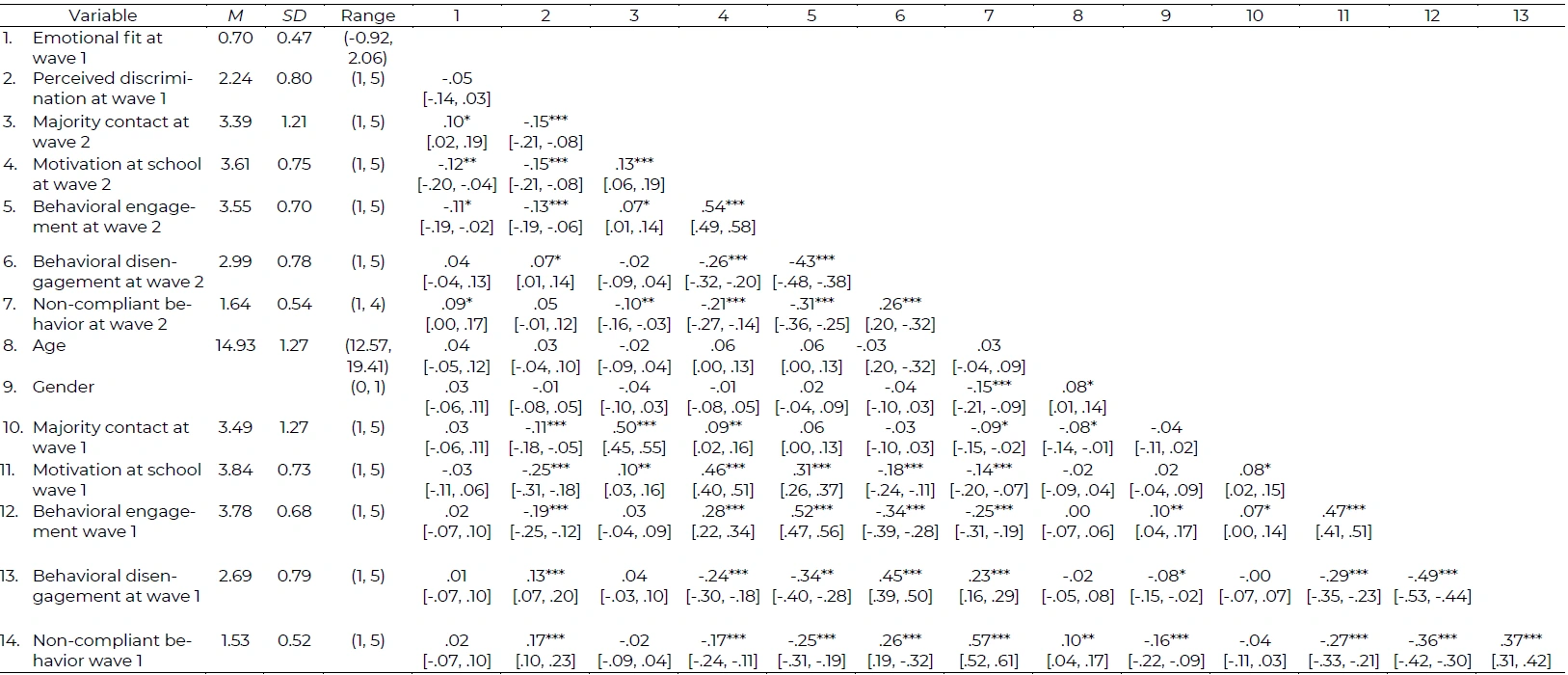
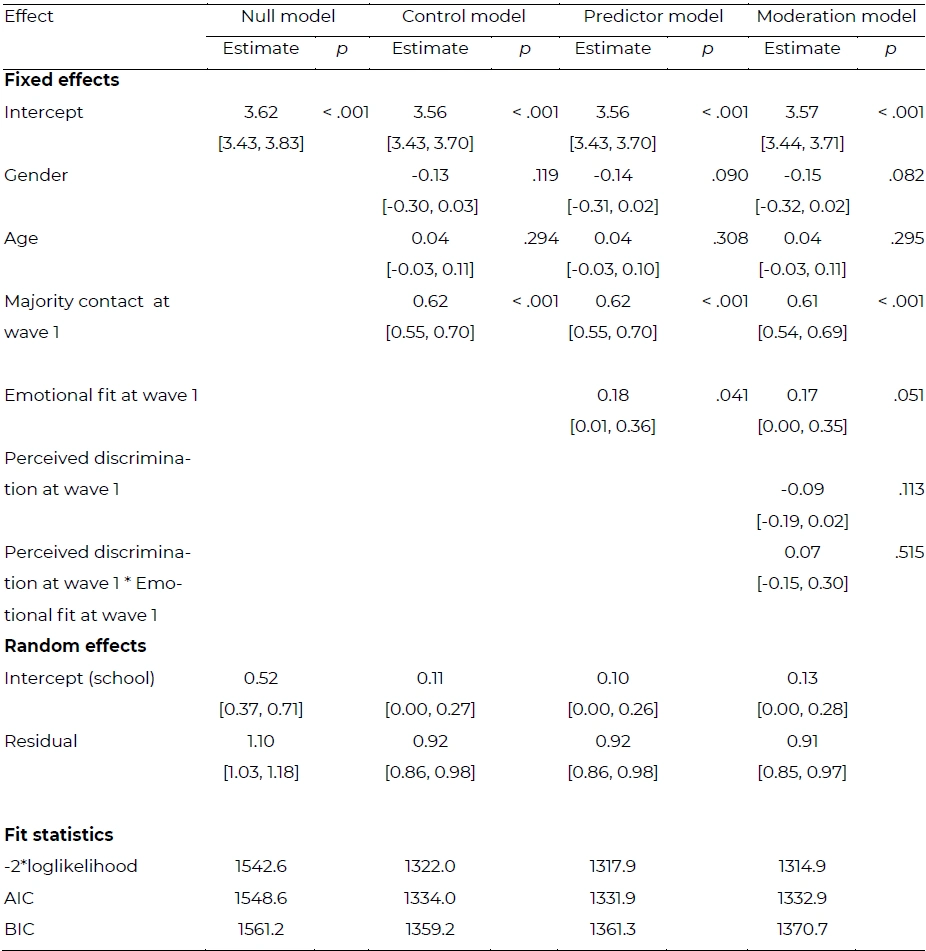
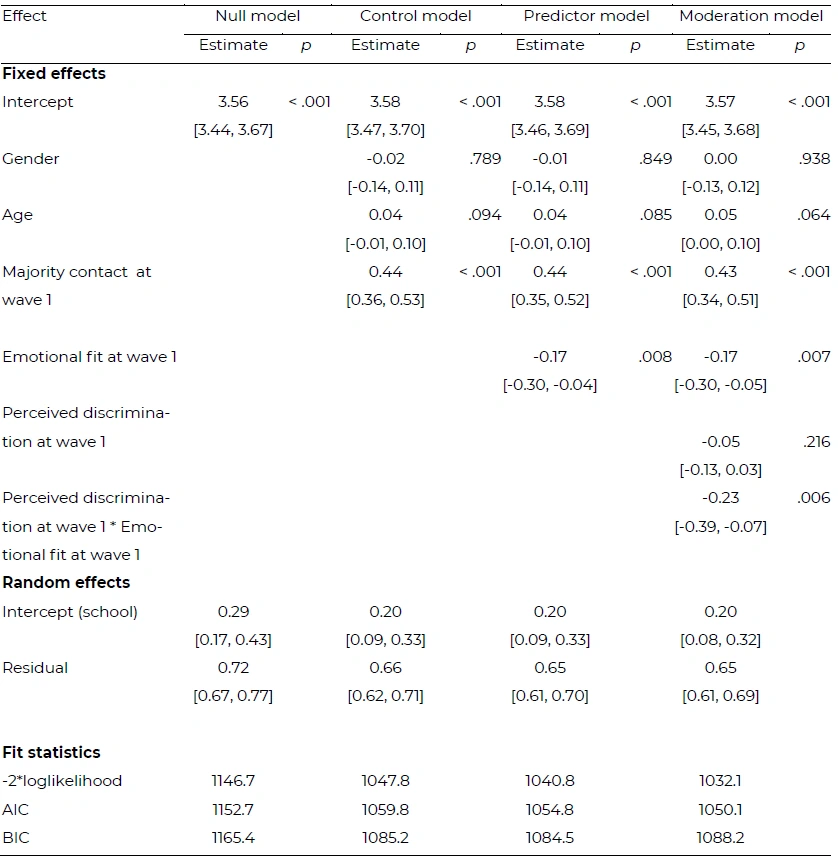
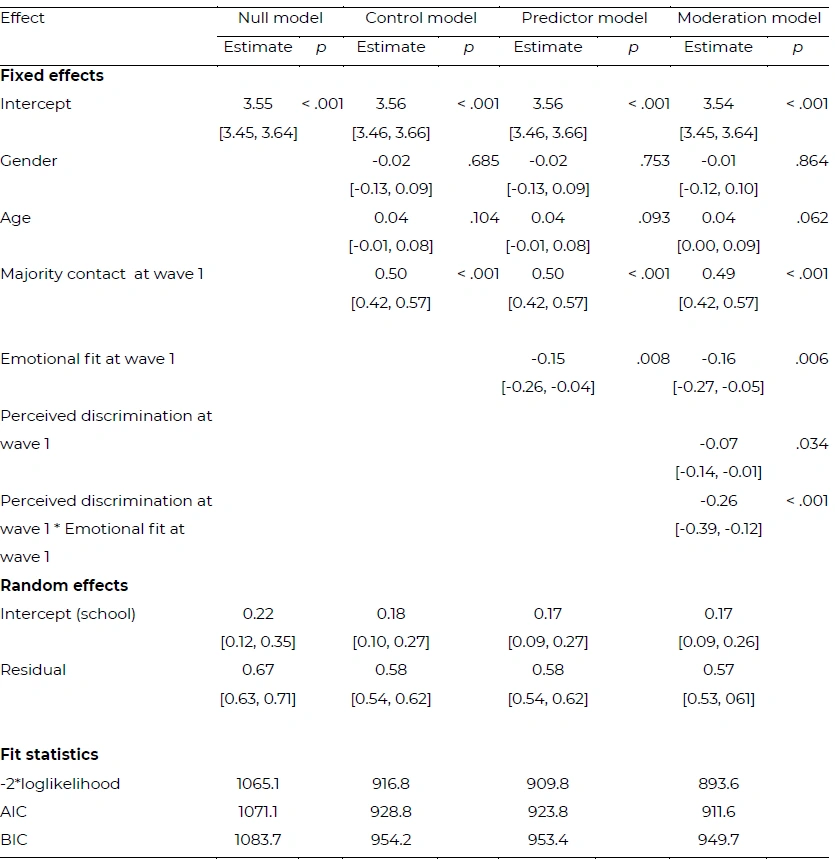
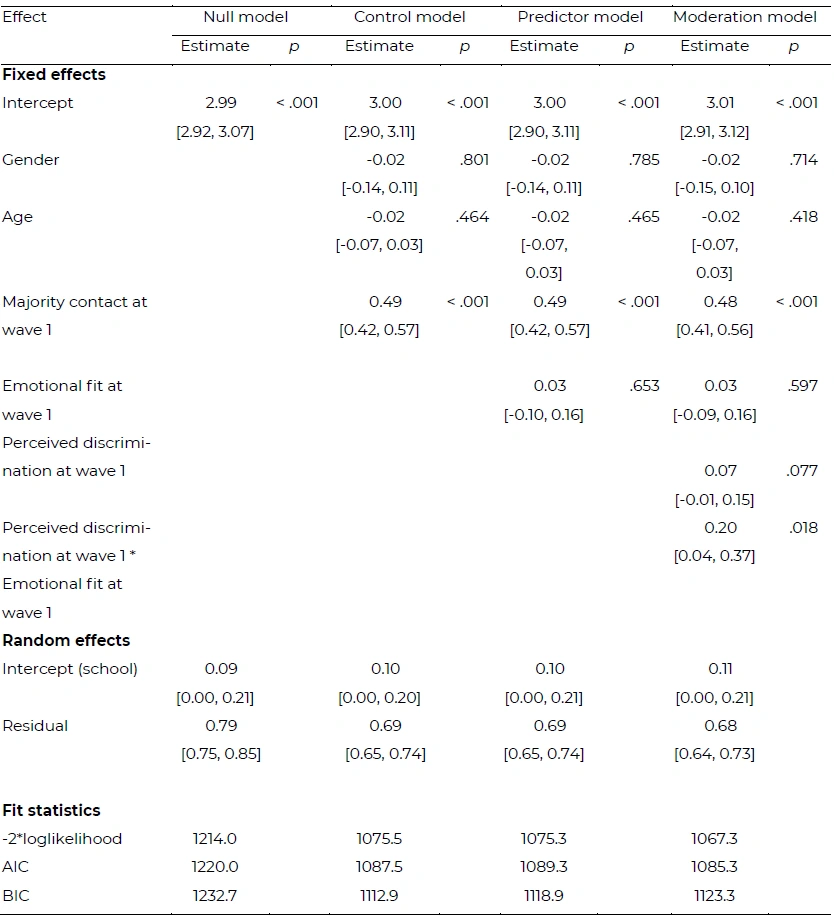
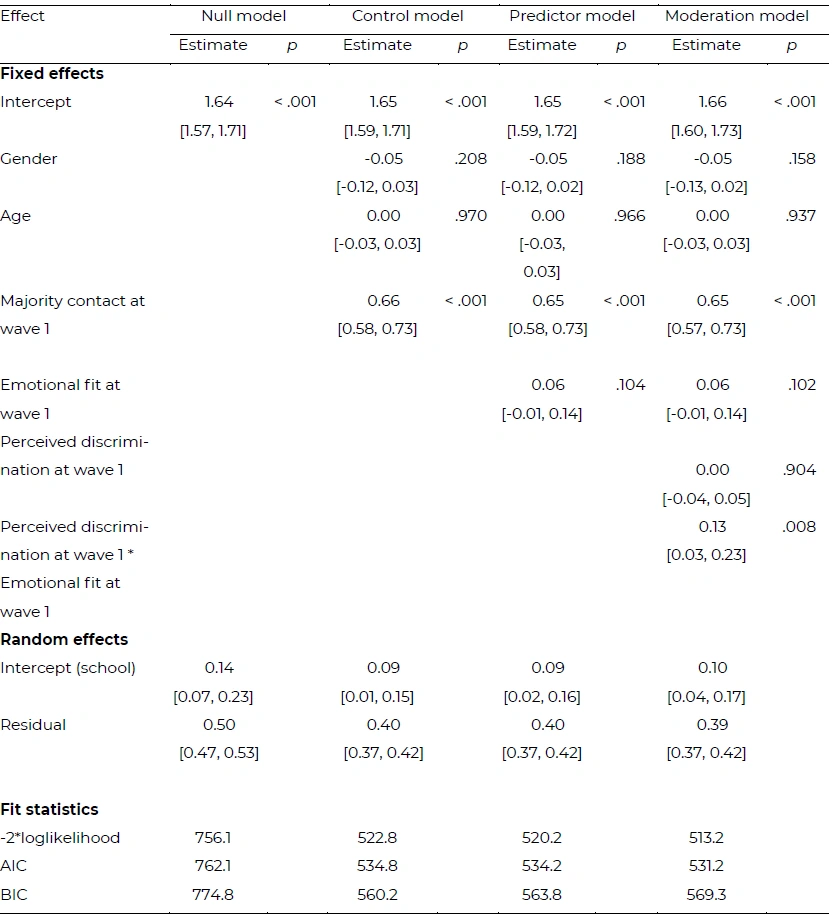
- While emotional acculturation helped minority students build social bridges by positively predicting contact with majority peers one year later (b = .61, p < .001), it simultaneously acted as a liability for their academic adjustment. Specifically, higher emotional fit with the majority culture significantly predicted lower school motivation (b = -.17, p = .008) and lower behavioral engagement (b = -.15, p = .008) over time.
- The study identifies perceived discrimination as the critical moderator turning emotional fit into a disadvantage. For students perceiving high levels of discrimination, emotional fit strongly predicted steeper declines in school motivation (β = -.35, p < .001) and behavioral engagement (β = -.36, p < .001), whereas no such negative effects were found for students perceiving low discrimination (p > .05).
- Beyond disengagement, high emotional fit in discriminatory contexts was linked to an increase in problematic behaviors. Among students perceiving high discrimination, emotional fit significantly predicted increased behavioral disengagement (β = .19, p = .040) and non-compliant behavior (β = .17, p < .001), suggesting that feeling like the majority while being treated differently may fuel resistance or withdrawal.
Keywords: